
Strengths and Weaknesses
Strengths:
- Inspiring Vision: The bio “Making the seemingly impossible, possible. ✨” sets a grand, aspirational tone for the entire account.
- Educational Focus: They provide deep dives into technical topics, such as explaining “the space toilet” and “nuclear power”.
- Humanizing Narrative: They share personal crew moments, like playing “wake up songs” and sharing “big smiles” after splashdown.
- Translucent Reporting: NASA hosts frequent “live news conferences” to answer media questions and provide mission updates.
- Cultural Relevance: They engage audiences with modern references like “cosmic brownies” and “Pink Pony Club”.
Weaknesses:
- Repetitive Content: Multiple tweets across several days point to the “same multimedia gallery” without varied hooks.
- Jargon Usage: Technical terms like “lunar sphere of influence” may be difficult for casual followers to grasp.
- Delayed Responses: While they “ask for questions”, there are no visible direct replies to users in the provided feed.
- Platform Clutter: The high volume of “live broadcast links” can bury unique photography and science data.
- Self-Referential Tone: They often use internal humor like “Moon joy [noun]” which might feel exclusionary to some.

Your Simpsons character
Lisa Simpson
Much like Lisa, @NASA is characterized by a profound sense of wonder, high-level intelligence, and a mission-driven desire to make “the seemingly impossible, possible”. The account demonstrates Lisa’s scholarly curiosity by sharing scientific inquiries, such as “investigating if the glow comes from interstellar dust or the solar corona”, while also embracing her love for music through the use of “Moon tunes” and wake-up playlists. There is a shared philosophical streak between the two, evidenced when the account shares existential reflections like “the gratitude of seeing what we saw... it’s too big to just be in one body”. Ultimately, NASA’s optimistic focus on “science and discovery” perfectly mirrors Lisa's role as the intellectual and moral heart of The Simpsons.
Your MBTI personality Type
ENTJ
NASA exhibits Extroversion by actively engaging a global audience through live broadcasts and inviting public participation, such as asking followers to “Reply with your questions”. Their Intuition is highlighted in their bio's focus on “Making the seemingly impossible, possible” and their pursuit of “world changing science and discovery”. The Thinking trait is evident in their data-driven reporting, like breaking a “human spaceflight distance record” and providing technical updates on “spacecraft systems”. Finally, their Judging nature is shown through rigorous adherence to a “mission cadence” and long-term planning for missions through “2027” and “2028”.

Some pickup lines for you
- Are you the Artemis II crew on April 6th? Because you’ve completely eclipsed everyone else in my universe. ✨
- I’m not a space plumber like Christina, but I’d definitely spend 10 days in a capsule just to troubleshoot a life with you.
- Forget the Pinwheel Galaxy—your eyes are the only thing 'mesmerizing' enough to make me lose track of time like Astro Reid.
- I don't need a Spotify playlist to wake me up if I can start every morning with you and a view of the crescent Earthrise.
- Is your name Rise? Because you’re the only zero-gravity indicator I need to know my heart is officially soaring.
Your 5 Emojis
- 🚀
This represents their primary activity of launching spacecraft and exploring deep space, as seen in their coverage of the “Space Launch System rocket and the Orion spacecraft” lifting off for the Moon.
- 🌕
The Moon is the central focus of their current mission profile, including the “historic mission” of Artemis II and their goal to build a “sustained human presence” there.
- 🧑🚀
They emphasize the human element of exploration, frequently highlighting the lives and experiences of their crew, such as when “Artemis II astronauts are answering media questions” or sharing their “first reactions” on a podcast.
- 📷
A major part of their personality is sharing visual wonder, constantly providing “newly released photos” of the lunar farside and “spectacular new high resolution images” of Earth to their followers.
- 🎶
They maintain a fun and relatable persona by sharing the crew's “Wake Up Songs Spotify playlist” and making musical references like “everything under the Sun is in tune” when describing celestial events.

Your new Twitter bio
From fixing space toilets on Artemis II to snapping Earthrise photos, we’re charting the path to the Moon and Mars. Join us as we explore the great unknown. 🚀– @NASA
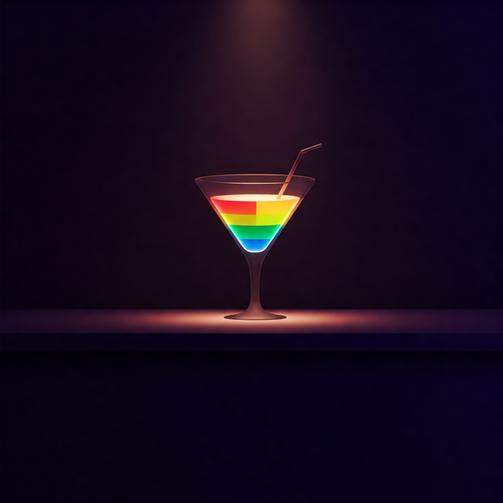
Your signature cocktail
The Pale Blue Sunrise
This cocktail is inspired by NASA's journey to the “Pale Blue Dot” and the historic “crescent Earthrise” captured during Artemis II. The deep blue gin reflects the “sky full of stars” and the Milky Way, while the citrus provides a sharp “halo of light” akin to the solar corona. For a playful nod to crew life, the bitters represent the “cosmic brownie” midday meals. It is a bold, experimental drink designed for those who believe in “making the seemingly impossible, possible”. Drink it while listening to the “Wake Up Songs” playlist for the full mission experience.

Your Hogwarts House
Ravenclaw
The NASA account exemplifies Ravenclaw traits by prioritizing the pursuit of knowledge and scientific discovery above all else. Their feed is an archive of analytical thinking, such as when they noted that “Scientists are still investigating if the glow comes from interstellar dust or the solar corona” and celebrated the crew for “capturing science data and taking photos out of the Orion spacecraft window to share”. They display a distinct love for learning and unique perspectives, shown when they invited followers to witness “something that's never before been seen by human eyes”. Even their bio focuses on the intellectual feat of “Making the seemingly impossible, possible,” proving that their primary ambition is the expansion of human understanding through creativity and wit.

Your movie
Apollo 13
NASA’s feed captures the high-stakes drama and technical ingenuity of lunar exploration, mirroring the spirit of the film Apollo 13. Their communication style blends professional urgency with the profound awe of human spaceflight, as seen when they mention that “The gratitude of seeing what we saw, doing what we did… it’s too big to just be in one body”. Much like the movie's focus on the 'hidden figures' in Mission Control, they highlight the “hundreds of people tracking their every move: monitoring spacecraft systems, evaluating crew safety, and staying in constant communication”. Even the mundane troubleshooting of the “space toilet” reflects the film's realistic portrayal of solving complex engineering problems in a vacuum. Ultimately, their bio’s mission of “Making the seemingly impossible, possible” is the quintessential theme of the classic space survival drama.

Your song
Fly Me to the Moon - Frank Sinatra
This classic standard perfectly encapsulates NASA's identity and their recent mission milestones. The lyrics mirror their successful mission to “Fly around the Moon, observed its far side” and their broader vision of “Making the seemingly impossible, possible.” During the journey, the crew lived out the song's sentiment as they “witnessed something that's never before been seen by human eyes” while breaking distance records. The track's themes of celestial wonder and exploration align with NASA's announcement that they are “preparing to launch Artemis missions every year” to establish a long-term presence.
Your time travel destination
the future of deep space exploration
NASA’s mission is centered on “making the seemingly impossible, possible” by pushing the boundaries of human presence in the solar system. Having just completed a historic mission where astronauts “traveled farther into space than any humans before”, the agency is already focused on the next era of discovery. They are actively “preparing to launch Artemis missions every year”, with a specific roadmap leading to Artemis IV landing on the Moon and future “missions to Mars”. Their commitment to “advancing nuclear power and propulsion” suggests a desire to reach a time when the “sustained human presence” they are building today becomes a permanent reality across the stars.

Your video game
Kerbal Space Program
NASA’s personality is deeply exploratory and strategic, focusing on the complex physics of spaceflight and the triumph of human ingenuity. Kerbal Space Program perfectly mirrors their mission to “Making the seemingly impossible, possible.” through trial, error, and meticulous engineering. Their tweets highlight the technical reality of space travel, from “manually piloting Orion” during proximity operations to managing the essential “space toilet” hardware. The game captures the exact 'Moon joy' they describe when celebrating a “successful lunar flyby” and the record-breaking distances their 'Kerbals' travel. Ultimately, both NASA and the game celebrate the “gratitude of seeing what we saw, doing what we did” while pushing the boundaries of the final frontier.

Your spirit animal
Wandering Albatross
NASA embodies the Wandering Albatross, a creature defined by its record-breaking, long-distance journeys across vast, uncharted horizons. Like an albatross gliding effortlessly over the ocean, NASA is currently celebrating how its crew “traveled farther into space than any humans before”. Their spirit is fundamentally adventurous and migratory, constantly “preparing to launch Artemis missions every year” to establish new territories. They maintain a calm, methodical demeanor even when “troubleshooting a few issues” like the spacecraft toilet, proving they are as resilient as they are bold. This match perfectly captures a personality that finds “Moon joy” in the lonely, beautiful expanse of the Pale Blue Dot.

Your (un)funny joke
I asked the Artemis II crew why they didn't invite the Sun to their lunar flyby... they said they already had enough 'Moon joy' and didn't want it to eclipse their performance!

Your superpower
Chronospatial Ubiquity
NASA would desire the power of being everywhere at once across space and time to witness the cosmic phenomena they currently struggle to capture. While they celebrate “witnessing something that's never before been seen by human eyes”, they are frequently limited by mechanical delays and the physical distance of their equipment. This power would solve their frustration with mundane technical hurdles, such as when “the crew has had to troubleshoot a few issues to use the Universal Waste Management System” instead of focusing on science. Ultimately, it would allow them to fulfill their bio's promise of “making the seemingly impossible, possible” by instantly reaching targets like the “lunar farside” without the 10-day travel time.

Your fictional best friend
Wall-E
With a bio focused on “Making the seemingly impossible, possible,” NASA shares Wall-E’s optimistic spirit and fascination with the 'Pale Blue Dot.' Wall-E would appreciate NASA’s sentimental side, such as playing “wake up songs” for astronauts or celebrating a “Moon Mascot” zero-gravity indicator named Rise. Like the little robot who collects treasures, NASA finds beauty in the details, capturing a “breathtaking photo of our galaxy” and marveling at a “crescent Earthrise.” Ultimately, they both find “Moon joy” in the vastness of space while remaining deeply connected to the home they left behind.

Your dream vacation
The Moon
For NASA, the ideal getaway is clearly the lunar surface, as they celebrate the feeling of “Moon joy [noun] the feeling of intense happiness and excitement that only comes from a mission to the Moon”. Their tweets reflect a deep admiration for the landscape, specifically the “striking details on the far side of the Moon, like craters of various sizes and basins”. While they describe the journey as “Moonbound”, the ultimate goal remains building a “sustained human presence on the Moon”. It is truly a “Strange place” that provides a home-away-from-home for explorers who believe “it’s great to be back”.

Your alternate career path
Event Planner and Multimedia Producer
NASA demonstrates a remarkable talent for organizing large-scale events and curating engaging multimedia experiences. They excel at “sharing the Artemis II crew's first images from space” while coordinating complex schedules that invite “digital creators and social media storytellers” to join their journeys. Their ability to set a mood is evident in their curation of a “Wake Up Songs Spotify playlist” for their team. Furthermore, they keep their massive audience engaged by “answering media questions” and providing consistent live coverage. This focus on Moonbound storytelling and public participation suggests they would thrive in high-stakes professional production.

Your celebrity match
Tom Hanks
NASA’s personality mirrors the earnest, authoritative, and inspiring persona of Tom Hanks, often referred to as 'America's Dad' and a noted space enthusiast. Their feed blends technical leadership with deep emotional resonance, such as when they describe the “gratitude of seeing what we saw” or celebrate the “Moon joy” of human exploration. Much like Hanks’ iconic roles, NASA acts as a humble yet heroic storyteller, welcoming the world back “HOME” after a historic journey. They maintain a relatable, human touch by sharing the crew's “Wake Up Songs” and lighthearted moments where even astronauts admit the “days are blurring together”. Ultimately, both the agency and the actor embody a spirit of Making the seemingly impossible, possible while remaining grounded in shared humanity.
Did you enjoy your Horoscope?
Your horoscope is 7 days old! Generate a better one from your latest tweets, using the intelligence of our pro AI!

