

quinn4hart
City:
Job:
In a relationship:
Best friend:
Politically:
green: confident, yellow: guess, red: uncertain
Inactive followers? Check yours!
Fake/Bot followers? Check yours!
sponsored by Circleboom

Strengths and Weaknesses
Strengths:
- Passion: Marie's unwavering support for the Canucks and emotional investment in games showcase her deep passion for hockey.
- Humor: Her engagement with memes, humorous reactions, and playful banter demonstrates a lighthearted and humorous quality.
- Loyalty: Consistent support for her favorite team and admiration for specific players highlight her loyalty and dedication.
- Observant: Her attention to detail in recognizing small moments during games reveals an observant nature.
- Engagement: Active participation in fan culture, creating threads, and sharing emotional reactions show a high level of engagement and involvement.
- Admiration: Expressing admiration for players like Paul Maurice and specific game moments indicates a respectful and appreciative quality.
- Creativity: Creating threads and engaging in fan traditions demonstrate a creative approach to expressing fandom.
- Emotional: The range of emotions displayed in responses to games, from excitement to stress to joy, reflects a deeply emotional connection to hockey.
- Supportive: Supporting both the team and individual players, such as expressing love for Robo and Paul Maurice, shows a supportive and caring nature.
- Community-driven: Participating in fan culture and traditions indicates a community-driven approach to fandom, valuing connections with other fans.
- Detail-oriented: Noticing and appreciating small moments during games reveals a detail-oriented and attentive personality.
- Expressive: The range of expressions, from humor to frustration to admiration, showcases an expressive and communicative style.
- Playful: Engaging in banter, creating threads, and sharing memes demonstrate a playful and light-hearted attitude.
- Dedicated: Consistent engagement and emotional investment in games display a dedicated and committed approach to supporting her team.
- Adventurous: Her willingness to explore different aspects of fan culture, from threads to emotional reactions, suggests an adventurous spirit.
- Appreciative: Showing admiration for specific players and recognizing small gestures indicates an appreciative and grateful personality.
Weaknesses:
- Emotional: The intense emotional investment in games may lead to heightened stress or disappointment during losses.
- Impulsive: Quick reactions to game events, such as 'I fucking hate it here', might reflect occasional impulsivity.
- Vulnerable to disappointment: Expressions like 'Game 3 let’s go, this team stresses me the fuck out' suggest vulnerability to disappointment or stress.
- Overwhelmed by emotions: The range of emotions displayed, from excitement to frustration, may sometimes become overwhelming.
- Sensitive to outcomes: Strong reactions to game results, such as 'Game 3 let’s go, this team stresses me the fuck out', indicate sensitivity to outcomes.
- High expectations: The desire for specific game results, like 'Game 3 let’s go, this team stresses me the fuck out', may reflect high expectations.
- Difficulty managing stress: Expressions of stress during games, such as 'Game 3 let’s go, this team stresses me the fuck out', suggest challenges in managing stress levels.
- Impatience: Expressions of frustration or impatience during games, like 'Game 3 let’s go, this team stresses me the fuck out', may indicate occasional impatience.
- Overly invested: The deep emotional investment in games may sometimes lead to being overly invested in the outcomes.
- Sensitive to criticism: Strong emotional responses to game events may indicate sensitivity to criticism or negative outcomes.
- Overly critical of self: Expressions of stress or frustration, like 'Game 3 let’s go, this team stresses me the fuck out', may reflect being overly critical of oneself.
- Perfectionist tendencies: High expectations for game results, such as 'Game 3 let’s go, this team stresses me the fuck out', may stem from perfectionist tendencies.
- Difficulty in letting go: Expressions of stress or frustration during games suggest difficulty in letting go of negative outcomes or experiences.
- Need for control: Desire for specific game results, like 'Game 3 let’s go, this team stresses me the fuck out', may indicate a need for control over situations.
- Self-critical: Expressions of stress or disappointment, such as 'Game 3 let’s go, this team stresses me the fuck out', may reflect self-critical tendencies.
- Heightened sensitivity: Strong emotional responses to game events suggest heightened sensitivity to external stimuli.
- Fear of failure: High expectations for game outcomes, like 'Game 3 let’s go, this team stresses me the fuck out', may stem from a fear of failure.
- Stress-prone: Expressions of stress during games, such as 'Game 3 let’s go, this team stresses me the fuck out', indicate a tendency to experience stress easily.
- Anxiety under pressure: Expressions of stress or impatience during games may reflect anxiety under pressure or in high-stakes situations.

Your Simpsons character
Marge Simpson
Marge Simpson's character in The Simpsons is known for her supportive and nurturing nature, much like Marie's supportive tweets towards players and her emotional investment in games. Both Marge and Marie display a strong sense of loyalty and care for their respective 'teams,' whether it's the Simpson family or the Canucks. Additionally, Marge's ability to find humor in challenging situations mirrors Marie's engagement with memes and playful banter on Twitter.

Your MBTI personality Type

Some pickup lines for you
- Are you a hockey puck? Because you've scored a goal in my heart.
- Is your name a penalty? Because I can't resist getting caught up in you.
- If supporting your favorite team was a game, you'd be the MVP of my heart.
- Are you a Zamboni? Because you've smoothed out all the rough ice in my day.
- Did it hurt when you fell from the penalty box? Because you've got me tripping over my words.

Your 5 Emojis

Your new Twitter bio
Passionate Canucks fan 🏒 | Hockey enthusiast and meme connoisseur 🤣 | Lover of otters and Paul Maurice ❤️ | Here for the game and the emotions 🌟– @quinn4hart

Your signature cocktail

Your Hogwarts House
Hufflepuff
Marie's loyalty to her favorite team, the Canucks, and her supportive nature towards players align well with the values of Hufflepuff house in Hogwarts. The dedication, kindness, and sense of community she exhibits through her tweets reflect the core traits of a Hufflepuff. Her emotional investment in games and admiration for specific players also resonate with the house's emphasis on loyalty and friendship.

Your movie

Your song
We Are the Champions - Queen
The song 'We Are the Champions' by Queen resonates with Marie's passionate and emotional reactions during hockey games. The lyrics capture the highs and lows of competition, the thrill of victory, and the dedication to a cause. Marie's unwavering support for her favorite team and her intense emotional investment make 'We Are the Champions' a fitting anthem for her fandom journey.

Your time travel destination

Your video game

Your spirit animal
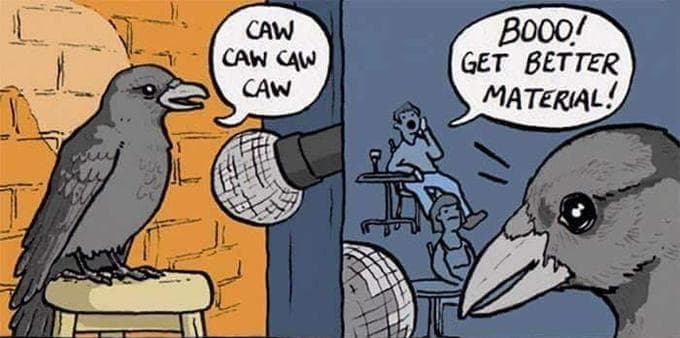
Your (un)funny joke

Your superpower

Your fictional best friend

Your dream vacation

Your alternate career path

Your celebrity match

Did you enjoy your Horoscope?
Your horoscope is 621 days old! Generate a better one from your latest tweets, unlock more insights and use a smarter pro AI!