

yizhuochan
City:
Job:
In a relationship:
Best friend:
Politically:
green: confident, yellow: guess, red: uncertain
Inactive followers? Check yours!
Fake/Bot followers? Check yours!
sponsored by Circleboom
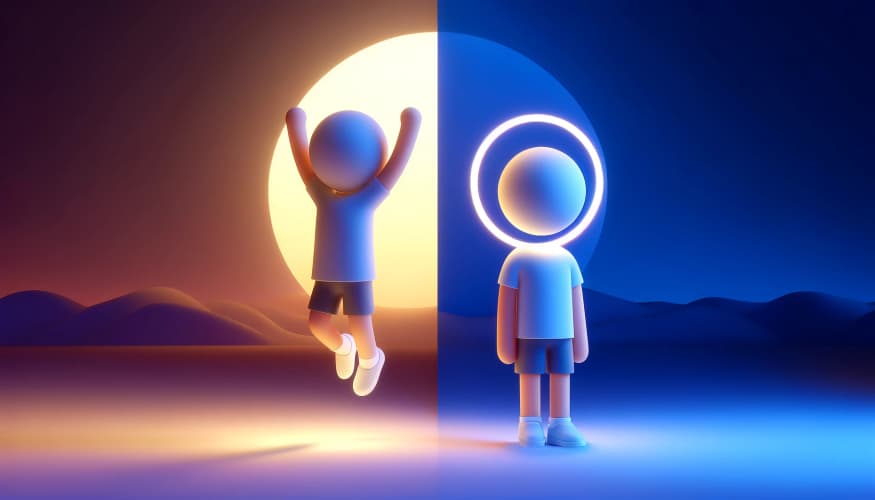
Strengths and Weaknesses
Strengths:
- Empathetic: Elsa demonstrates empathy towards her family, expressing concern for her mother when mentioning her return to the capital.
- Passionate: Her deep involvement in the K-pop industry and detailed opinions on various groups show her passion for music and the industry.
- Authenticity: Through her raw and unfiltered tweets expressing emotions and struggles, Elsa showcases authenticity and transparency.
- Humorous: She exhibits a humorous side through self-deprecating remarks and funny observations about her daily life and experiences.
- Critical Thinker: Elsa's critical eye towards the K-pop industry, music releases, and group dynamics reflects her ability to think analytically and form strong opinions.
- Resilient: Despite facing challenges and expressing moments of self-doubt, Elsa continues to share her thoughts openly on Twitter, showing resilience in her personal expression.
- Thoughtful: Her consideration for others' situations, such as expressing support for specific K-pop idols or showing empathy towards family members, demonstrates a thoughtful and caring nature.
- Creative: Elsa's engagement with quizzes, memes, and edits showcases her creativity and interest in different forms of content creation within the online community.
- Vocal: She is unafraid to voice her opinions and emotions strongly, demonstrating a vocal and expressive communication style on social media.
Weaknesses:
- Self-esteem Struggles: Elsa occasionally expresses feelings of self-doubt and insecurity about her appearance or talents, indicating struggles with self-esteem.
- Impulsiveness: Her contemplation of creating a new Twitter account to share negative opinions suggests impulsiveness in expressing strong emotions or thoughts.
- Emotional Sensitivity: The deep emotional responses Elsa exhibits towards specific K-pop events or personal situations reveal emotional sensitivity, which can sometimes lead to intense reactions.
- Stress Prone: Her tweets about feeling overwhelmed with school and exams suggest a tendency to be stress-prone and might struggle with managing high-pressure situations.
- Comparative Nature: Elsa's comparison of her situation with others, as seen in her tweets about her talents or appearance in relation to others, indicates a comparative nature that can impact her self-confidence.
- Direct Communication Style: While Elsa's direct and honest communication style is a strength, it can sometimes come across as confrontational or intense to others, potentially leading to conflicts.
- Cynicism: Her critical views and strong opinions towards specific K-pop idols and industry practices suggest a level of cynicism, which might affect her overall outlook on certain topics or individuals.
- Impatience: Her tweet about feeling tired and wanting to play video games instead of studying highlights a potential tendency towards impatience or a desire for immediate gratification.
- Overwhelm: Elsa's tweets about exam stress and feeling overwhelmed suggest a vulnerability to being overwhelmed by challenging situations or responsibilities.
- Harsh Self-judgment: Moments where she expresses disappointment or frustration with herself, such as wanting to stop studying or feeling like a failure, indicate a tendency towards self-criticism and harsh self-judgment.
- Online Vulnerability: Her open expression of personal struggles and emotions on Twitter may indicate a vulnerability to online criticism or negative interactions, potentially affecting her mental well-being.
- Internal Struggle: The conflict between her emotional responses towards K-pop events and idols, combined with her self-reflection about her studies and personal image, shows an inner struggle between different aspects of her life and interests.
- Avoidance Coping: Her desire to play video games as a way to cope with studying difficulties can be a form of avoidance coping, which might hinder her academic progress or emotional growth.
- Critical Perfectionism: The critical evaluation of various K-pop groups and their performances may suggest a perfectionistic tendency, where high standards are set for herself and others in terms of performance and achievement.
- Healthy Escape: The humor and light-hearted moments Elsa shares on Twitter, like contemplating creating a new account or joking about her online behavior, may serve as a healthy escape from daily stressors or challenges.
- Limited Self-care: Expressions of exhaustion, emotional fatigue, and a lack of time for personal hobbies like gaming hint at a potential lack of self-care or relaxation activities in Elsa's routine.
- Social Isolation: Elsa's online focus on K-pop, memes, and personal struggles without mentioning interactions with friends or peers might indicate a level of social isolation or primarily online socialization.
- Attention Seeking: The desire to post emotional tweets, humor, or opinions on Twitter could reflect a need for external validation or attention to combat feelings of loneliness or stress.
- Imposter Syndrome: Moments of self-doubt expressed in tweets about her talents or appearance can be a sign of imposter syndrome, where Elsa may struggle with feeling unworthy or inadequate despite external successes.
- Online Vulnerability: Her candid sharing of personal emotions, struggles, and opinions on Twitter may expose her to potential online criticism, trolling, or emotional vulnerability in a public platform.

Your Simpsons character
Lisa Simpson
Elsa's combination of intelligence, critical thinking, and emotional depth resonate with the character of Lisa Simpson. Much like Lisa, Elsa displays a keen intellect, often questioning societal norms and expressing strong opinions. Her introspective nature, balanced with a sense of humor and sensitive side, mirrors Lisa's character dynamics in 'The Simpsons'.

Your MBTI personality Type

Some pickup lines for you
- Are you an edit? Because you just changed my life like that girl with the Baekhyun edit.
- Is your spirit animal a raven? Because, like the raven, you possess deep introspection and transformation.
- If our emotions were a K-pop song, we’d be a chart-topping duet.
- Were you hit by a truck? Because I feel like a truck ran over me after seeing your beauty.
- I must be in the 'Speed Run' too because your presence makes time fly by.
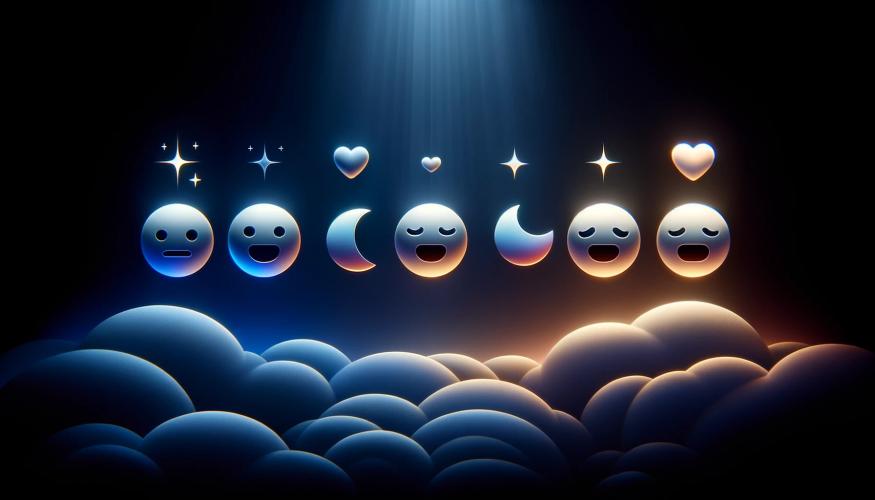
Your 5 Emojis

Your new Twitter bio
🌸 A multifandom K-pop stan, sharing raw emotions and opinions. Lover of memes, quizzes, and honesty. School life enthusiast. Contact: [email protected]– @yizhuochan

Your signature cocktail
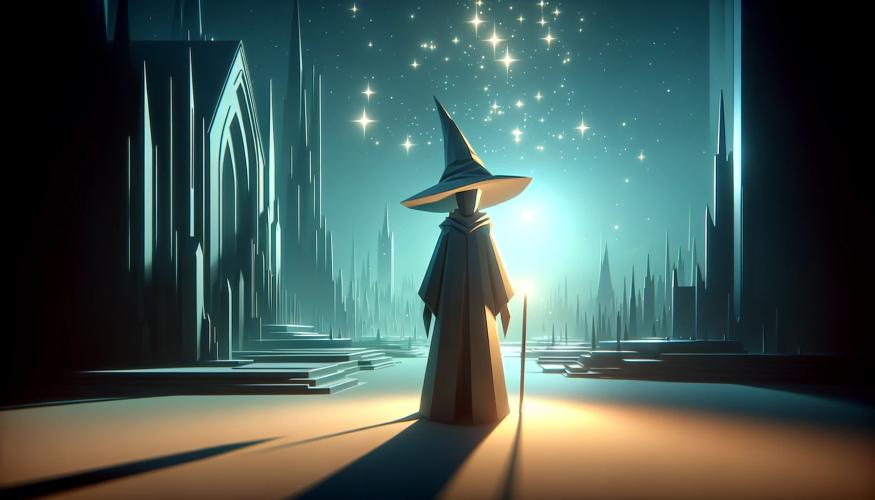
Your Hogwarts House
Slytherin
Elsa's critical thinking, ambition in expressing her opinions strongly, and emotional depth align her with the traits of a Slytherin. Her strength in advocating for what she believes in, even if it involves confrontational expressions, showcases a determination and strategic mindset reminiscent of Slytherin values. Her openness about vulnerabilities while maintaining a certain level of guardedness also reflects the cunning nature of Slytherins.

Your movie

Your song
The Truth Untold - BTS
The song 'The Truth Untold' by BTS encapsulates Elsa's emotional vulnerability, raw honesty, and deep reflections. Its themes of inner turmoil, unfiltered emotions, and self-revelations mirror Elsa's personal struggles, expressing complex feelings of longing, sadness, and introspection.

Your time travel destination

Your video game

Your spirit animal
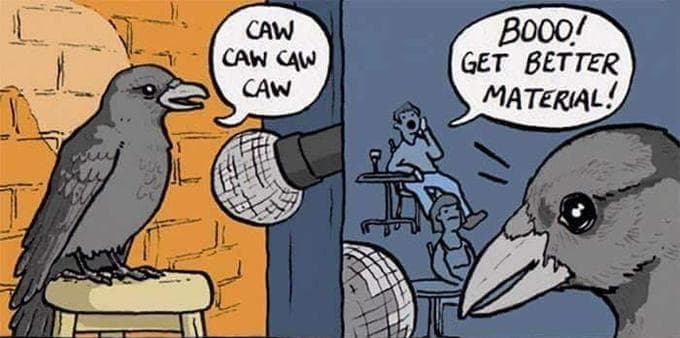
Your (un)funny joke

Your superpower

Your fictional best friend

Your dream vacation

Your alternate career path

Your celebrity match

Did you enjoy your Horoscope?
Your horoscope is 649 days old! Generate a better one from your latest tweets, unlock more insights and use a smarter pro AI!